
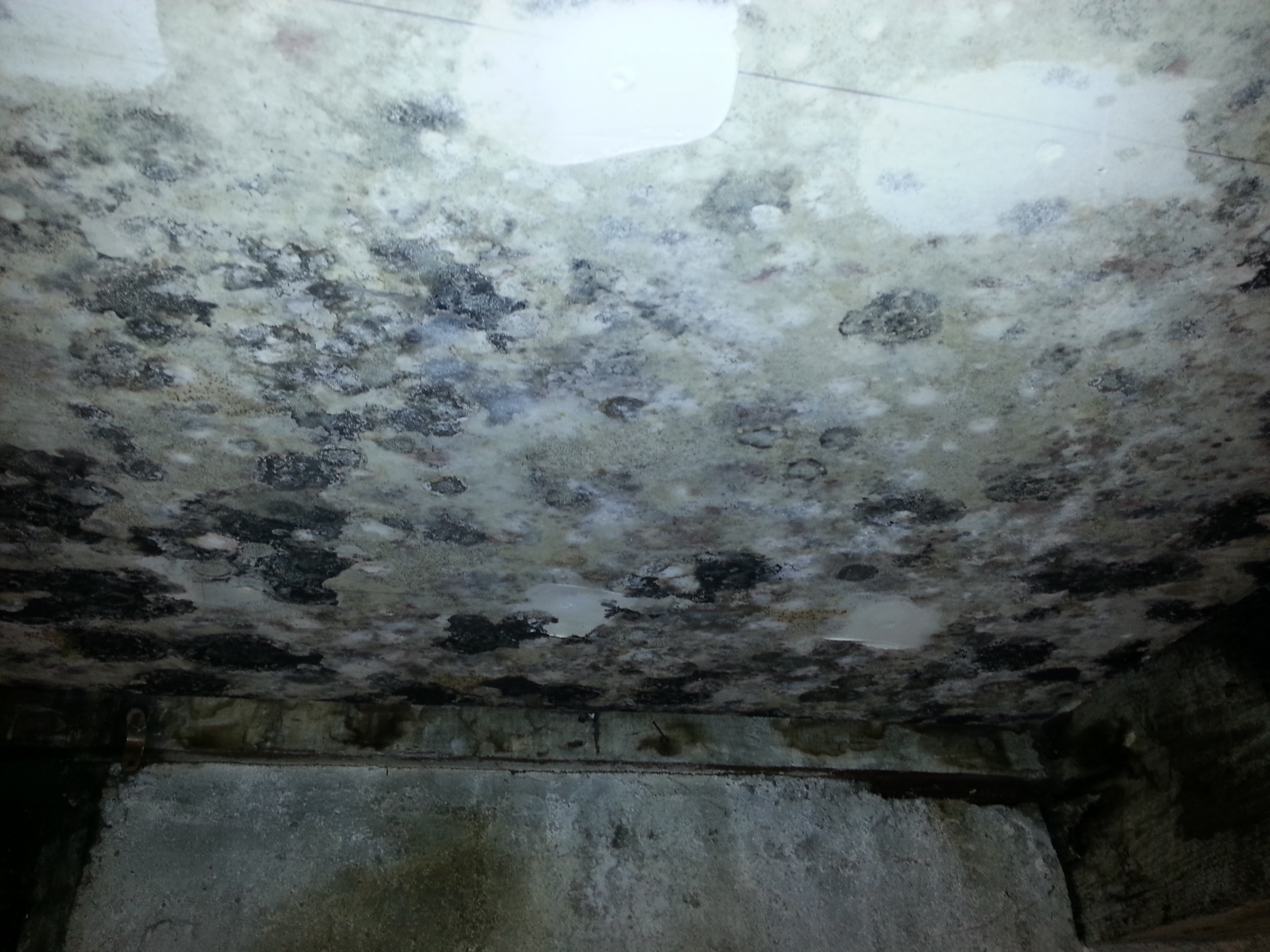
- Exposure to certain molds can cause allergic reactions, asthma, rashes and respiratory issues
- You cannot eliminate all mold from your environment
- To control mold you need to control moisture
- To clean up mold you must remove the existing blooms and stop moisture penetration
- Remove any drastically affected absorbent items or materials and discard
- Clean any affected surfaces that cannot be removed using, water, detergent and bleach
- Lower humidity in the affected space (<60% [US EPA])
- Any time indoor environment is exposed to moisture dry surfaces and/or materials immediately
- Minimize condensation on cold surfaces by adding insulation or warm air flow
- Do not install carpets or upholstery where moisture can not be controlled
Aaaargh! Mold…
Mold is all around us. It is actually a microscopic form of fungi and there are more than 100,000 species in the world. Mold lives off organic matter and needs moisture to bloom. Although microscopic it becomes visible to us when it blooms. It can be dangerous to people who live in close quarters with it.
The most terrifying mold to most US homeowners is "black mold". This is a deeply misunderstood mold. It has several deaths attributed to it, however studies show some doubt about this. Whereas it is in doubt as to whether black mold is deadly it can definitely cause serious illness in people and animals. It is most dangerous when disturbed. What is known is that different people have differing sensitivities to molds and reactions can be as mild as sinus irritation or as severe as bleeding lungs.
According to the US EPA
This entry was posted in Uncategorized.
Powered by Photocrati
